Along Chile’s Pacific coast, where echoes of whaling still linger, the community of Chiloé must confront its past to help protect one of the world’s most endangered marine mammals.
Sypnosis
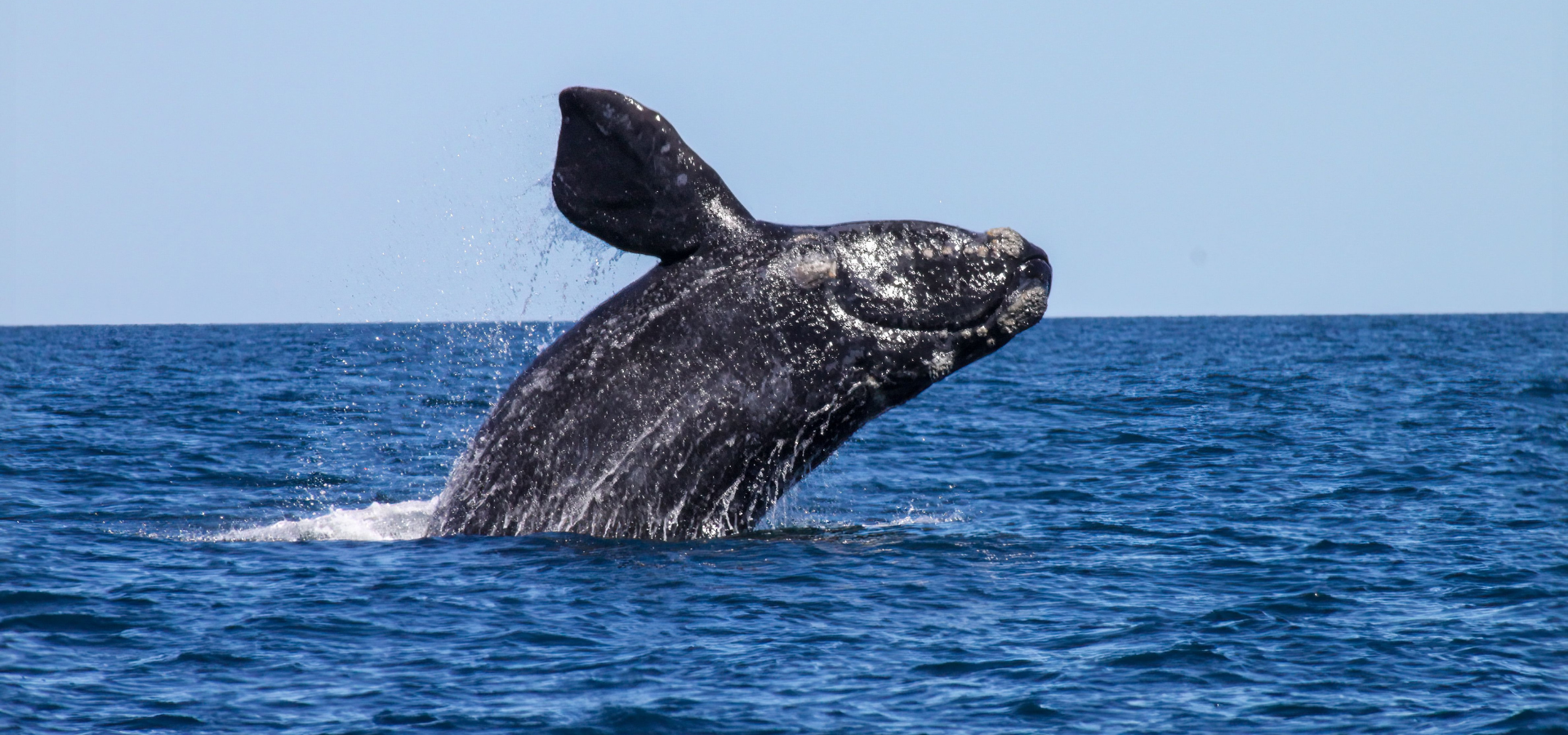
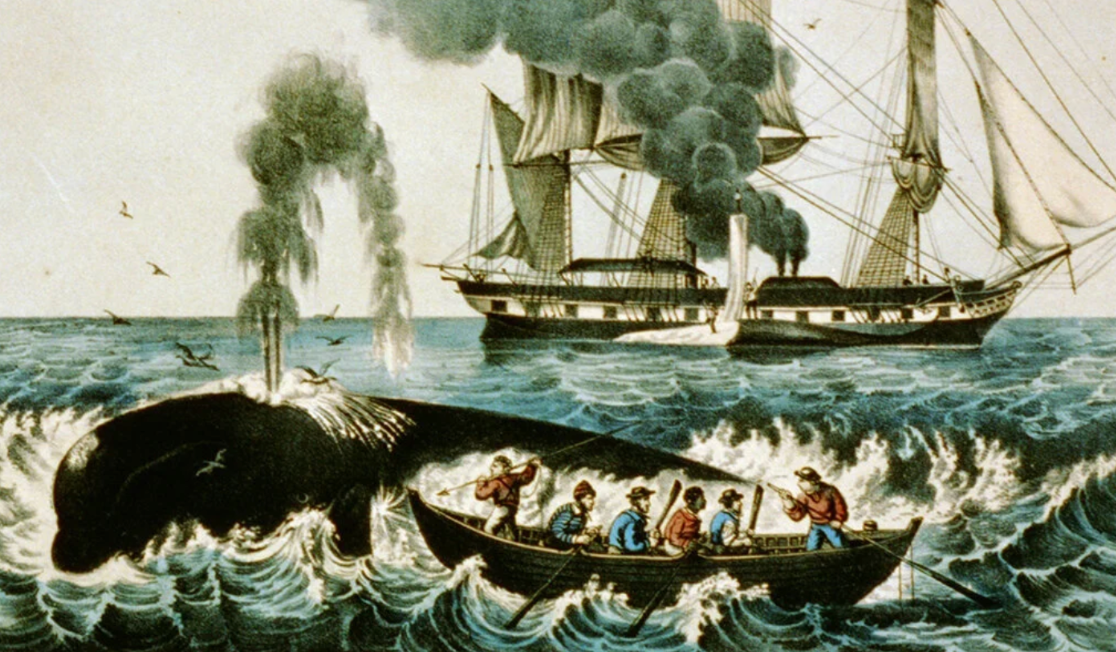
Along Chile’s Pacific coast, where the echoes of whaling still linger in local memory, one of the world’s most endangered marine mammals quietly navigates the same waters that once nearly erased it. The Southern Right Whale of the Chile–Peru subpopulation is a ghost of the sea—rarely seen, poorly understood, and believed to number only a handful of individuals. Unlike other right whale populations that have begun to recover, this group exists in the shadows, with no known calving grounds, no confirmed migratory routes, and no systematic monitoring to understand where it moves or why it returns.
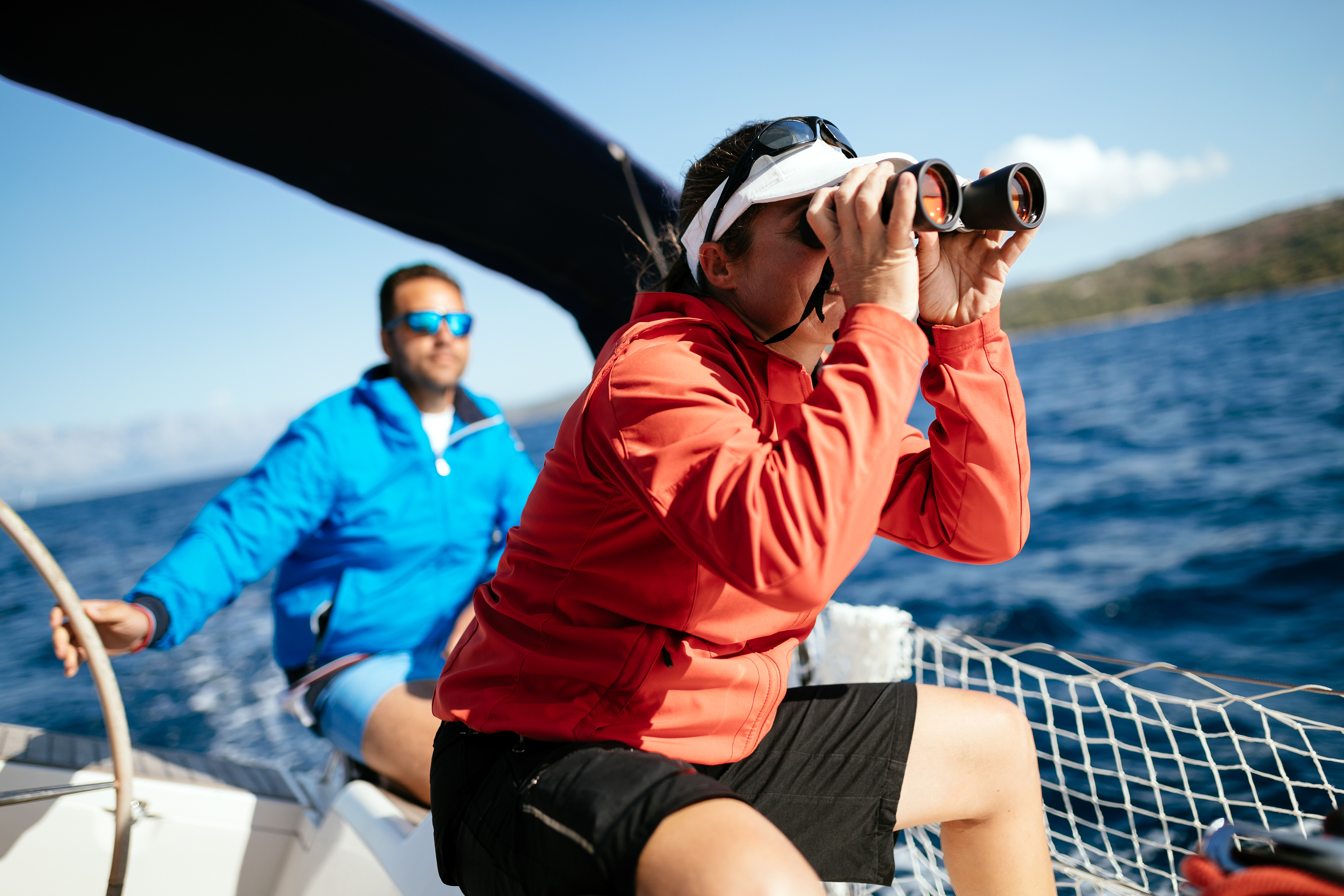
On the island of Chiloé, once a center of whaling activity, coastal communities now find themselves at the frontlines of a very different chapter. The same shores where whales were once pursued now host fishers, tour operators, and residents who scan the horizon with phones rather than harpoons. Informal WhatsApp groups light up with sightings, photographs, and bursts of collective excitement whenever a Southern Right Whale appears, yet these scattered efforts remain uncoordinated and fragile, mirroring the precarious state of the whales themselves.
This short documentary explores how a community shaped by a past of exploitation is beginning to confront that legacy through a new ethic of care. By tracing the story of a species nearly lost, and the people who may now hold the key to its survival, the film reveals a deeper question: how does a community heal a historical wound, and can ordinary citizens help safeguard a whale population that might disappear before we ever truly understand it?
Partners
